

Category: The Cocktail Corner
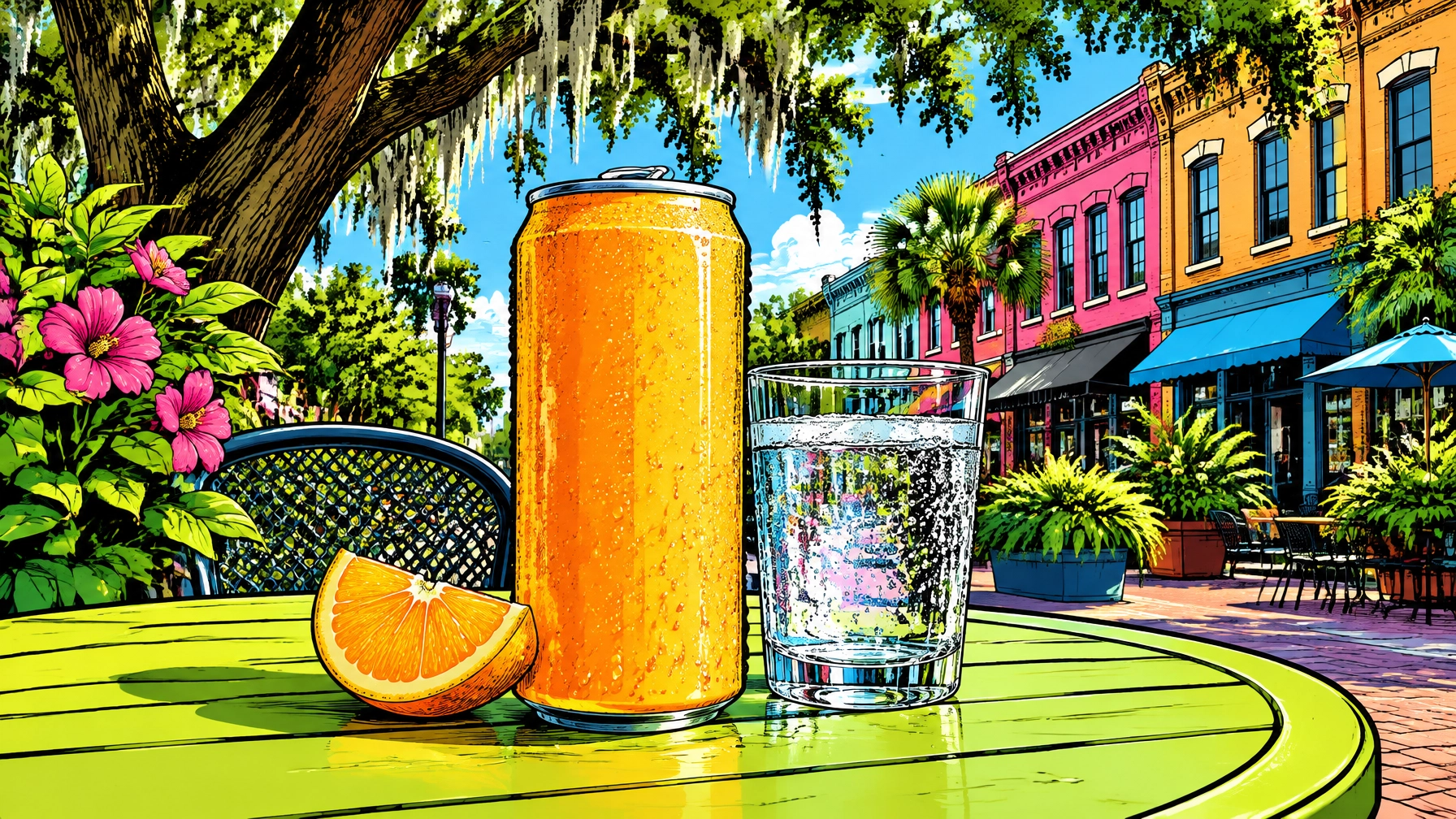
Outdoor day drinking is not a medical prescription, but it can be a delightful wellness-adjacent ritual: natural light, fresh air, real conversation, fewer screens, and a graceful exit before streetlights glow. Here’s why a sunny patio feels restorative, how to do it responsibly, and how to turn afternoons into events.
Reading Time: 7 minutes: shorter than the wait for a patio table.
There comes a moment in every adult’s week when the body says, “We need rest,” while the brain says, “What if we simply opened seventeen more work tabs and stared at them until dinner?”
This is where outdoor day drinking enters the chat.
Not as a cure. Not as a substitute for sleep, therapy, water, exercise, vegetables, or any of the other things wellness influencers insist must be performed beside a beige ceramic bowl. But as a social ritual? A sunny patio, a good drink, a plate of food, and a few friends can be legitimately restorative.
The magic is not just in the beverage. It is in the setting, the slower pace, the human conversation, and the beautiful decision to leave while the day still has a little daylight left in it.
The sun does more than make your drink look expensive
Natural light can change the entire mood of an afternoon. Outdoors, your brain gets a break from the office glow, the refrigerator bulb, and whatever strange blue light your phone emits while delivering an email that could have been a two-line text.
Sunlight also helps your body produce vitamin D when UVB rays reach the skin. Vitamin D supports bones, muscles, and immune function, though the amount your body makes depends on factors such as season, location, skin type, age, and how much skin is exposed. In other words, there is no universal “sit on this patio for exactly eleven minutes” formula.
Harvard Health explains that outdoor time can support vitamin D production, mood, physical activity, and concentration. It also makes the sensible point that sunscreen and shade still matter, especially during extended exposure. A patio is not a laboratory, and your margarita is not SPF 30.
The practical takeaway is simple: enjoy the daylight, use shade strategically, wear sunscreen, and do not treat sunburn like a personality trait.

Slowing down is a feature, not a scheduling failure
A lot of modern life is built around rushing toward the next obligation. You finish one task while mentally drafting the next task, then reward yourself by checking your phone during the task you are currently pretending to enjoy.
Outdoor socializing interrupts that loop.
A patio naturally creates a little friction between you and your usual pace. You have to sit down. You have to look up. You have to notice the weather, the music, the people walking past, and whether the table is slightly wobbly in a way that will become everyone’s shared engineering problem.
That pause matters. Harvard T.H. Chan School of Public Health reports that time in green spaces is associated with mental restoration, more positive emotions, and less anxiety and rumination. The National Park Service also highlights nature’s connections to mood, relaxation, attention, and social interaction.
You do not need to disappear into a national park to benefit. A sidewalk café with potted plants counts. A backyard with folding chairs counts. A brewery patio where someone is aggressively explaining fantasy football counts, provided you can still see the sky.
The point is not perfection. The point is changing the environment enough to let your nervous system stop behaving like it is being chased by a calendar notification.
Friends are better in person, shockingly
A group chat can coordinate a gathering, but it cannot replace one. It can deliver twelve opinions about where to meet, three accidental reaction emojis, and one person who responds forty-eight hours later with “I’m down,” long after the reservation has vanished into the mist.
Real connection requires showing up.
Outdoor daytime social events make that easier because the atmosphere is usually more relaxed than a packed, dark bar. There is room to hear one another. People can move around. Conversation can wander without having to compete with a bass line that sounds like a washing machine full of loose coins.
A casual patio hang also lowers the pressure. Nobody needs a complicated itinerary or a dramatic theme. You can share snacks, order something refreshing, and talk about everything from travel plans to the inexplicable confidence of a man wearing boat shoes without a boat.
The best social plans often have three ingredients:
- A comfortable outdoor setting: Look for natural light, shade, decent seating, and enough room to spread out.
- Food that can be shared: Fries, tacos, wings, flatbreads, dips, or anything that prevents the table from making decisions exclusively based on alcohol.
- A natural stopping point: A late-afternoon finish keeps the gathering from turning into an accidental endurance sport.
This is the lifestyle side of day drinking that matters most. The drink may start the conversation, but the people are what make the afternoon worth remembering.

Your phone can survive one round without you
Screen breaks are not glamorous. Nobody is selling a $74 linen set called “Digital Detox Beige” because the real solution is simply putting your phone somewhere you cannot immediately grab it.
Outdoors helps because there is more to look at. You can watch clouds, traffic, dogs, birds, passing strangers, or one friend attempting to explain a restaurant reservation with the confidence of a courtroom attorney and the evidence of a manila envelope containing nothing.
Try making the first fifteen minutes phone-light:
- Put your phone on silent and place it face-down.
- Keep it available for emergencies, transportation, or the group member who is inevitably lost despite standing directly beside the patio.
- Make conversation before taking photos.
- Take one group picture instead of documenting every appetizer from six angles.
- Resist live-posting the entire experience while still experiencing it.
A screen break does not require a dramatic vow to become unreachable. It just means allowing your attention to stay in the same place as your body for a little while. Revolutionary stuff. Somewhere, a notification is currently feeling neglected.
The ritual is what makes it feel like self-care
Self-care works best when it is repeatable. You do not need to book a luxury retreat, buy a crystal shaped like a tax deduction, or learn how to fold a napkin into a swan.
You need a small ritual that gives the week some shape.
For outdoor socializing, that ritual might look like this:
- Pick a sunny or comfortably shaded spot.
- Invite two or three people you genuinely enjoy.
- Start with water and food.
- Choose a drink you can sip rather than inhale.
- Leave enough room for conversation.
- Notice when the energy is still good.
- Head home before the streetlights come on.
That final part is underrated. Getting home before streetlights is not a moral achievement, and it does not make you superior to anyone who enjoys a later reservation. It is simply a satisfying boundary. The afternoon had a beginning, a middle, and an ending. Nobody had to negotiate with a bouncer. Nobody had to yell, “What?” twelve times. Nobody woke up wondering why there is a traffic cone in the bathtub.
A clear finish makes the experience feel intentional instead of accidental.

Outdoor entertaining ideas that do not require a personality transplant
You can enjoy the same restorative feeling at home. Outdoor entertaining does not need to become a production involving matching glassware, custom menus, and a friend who says, “I made a shrub,” without explaining what that means.
Keep it easy:
Build a one-drink menu
Choose one simple cocktail, one beer or wine option, and one nonalcoholic drink. A pitcher of citrus spritzes, chilled sparkling water, or iced tea gives everyone something refreshing without turning the host into a full-time bartender.
Make the food low-maintenance
Set out snacks that can sit comfortably for a while: chips and salsa, olives, fruit, cheese, sandwiches, veggie trays, or grilled items served in batches. The goal is to spend time with guests, not vanish into the kitchen like a contestant on a culinary reality show.
Arrange the seating for conversation
Put chairs in a loose circle or around a table. Avoid creating a layout where everyone faces the television while claiming to be social. Add cushions, umbrellas, fans, or blankets depending on the weather. Comfort is not decorative; it is the difference between lingering and quietly checking rideshare prices.
Add one small activity
A deck of cards, lawn game, playlist, or bowl of conversation-starting questions can help. Keep it optional. No one wants to attend a backyard gathering and discover it has a mandatory agenda.

Day drinking is better when the basics are handled
The restorative version of outdoor drinking is not about racing through cocktails or treating the afternoon like an unsupervised holiday. It is about pacing, awareness, and having enough sense to enjoy the day you are supposedly taking care of.
Eat a real meal. Alternate alcoholic drinks with water. Pick lower-ABV options if you want a longer, more conversational afternoon. Know your limits, plan a safe ride, and remember that “I was just enjoying the sunshine” is not a transportation strategy.
Also check the weather. Heat, humidity, and alcohol are a trio with the chemistry of three roommates who should never be left alone together. Bring sunscreen, sunglasses, a hat, and a backup plan for sudden rain. If the patio becomes a soup, relocate.
DayDrinking HQ can help with the fun part: finding patios, brunch spots, happy hours, daytime social events, and outdoor hangs worth leaving the couch for. Browse the Happy Hour Guide or explore DayDrinking HQ when you need a plan that includes actual people and not just a streaming-service countdown.
The verdict: a patio is not a spa, but it is doing excellent work
Drinking outdoors before 5 PM is not officially self-care according to any governing medical body, mostly because doctors have better things to do than certify patio tables.
But the ritual can still support the things that make an afternoon feel restorative: natural light, fresh air, a change of scenery, movement, laughter, conversation, and time away from the glowing rectangle that has been quietly running your life.
The drink is optional. The outdoors is the point. The friends are the upgrade.
So claim the patio. Order something sensible. Put your phone down long enough to hear the story you have already heard twice. Let the afternoon move at its own pace. Then head home while the sky still has color and the streetlights are only warming up.
That is not a cure-all.
It is just a very good way to spend a few hours.