

Sunday recovery does not require a wellness retreat, a punishment smoothie, or pretending Saturday never happened. This practical reset covers hydration, gentle food, sleep, movement, mental cleanup, recovery drinks, and realistic hangover prevention: plus a careful note on peptides. Feel human again without turning Monday into your sworn enemy forever.
Reading Time: 7 minutes: shorter than the wait for a patio table.
Saturday was fun. Saturday was energetic. Saturday also apparently involved a drink order that began with “Let’s just split a pitcher” and ended with your phone containing seventeen photos of the same appetizer.
Now it’s Sunday, and Monday is standing outside the door like a landlord who has finally learned your name.
The good news: you do not need to punish yourself, perform a dramatic detox, or lie motionless in a dark room while whispering apologies to your liver. A sensible Sunday reset is mostly about giving your body the basics it needs: fluids, food, rest, gentle movement, and a small amount of administrative competence.
This is not medical advice, and there is no instant hangover cure. Time does most of the heavy lifting while your body metabolizes alcohol. The rest is supportive care that can help you feel less like a decorative throw pillow with a headache.
Start with a hydration protocol, not a gallon jug
Alcohol can contribute to dehydration, which may play a role in thirst, headache, fatigue, and general “why is the sunlight yelling?” symptoms. The goal is steady rehydration, not aggressively flooding your body because a neon sports drink promised to “restore everything.”
Try this:
- Start with water when you wake up. Sip one or two glasses over the first hour rather than chugging until your stomach files a formal complaint.
- Add electrolytes if they sound appealing. An electrolyte drink, oral rehydration solution, coconut water, or broth can provide sodium and other minerals. These are supportive recovery drinks, not alcohol erasers.
- Keep sipping throughout the morning. Water alongside food is usually more useful than one heroic hydration event.
- Use your body as a rough guide. Thirst, dry mouth, dizziness, and dark urine can suggest you need more fluid. Urine color is not a laboratory test, but it is a more useful clue than your cousin’s theory that pickle juice solves every problem.
The best hydration strategy actually begins during the event. Alternate alcoholic drinks with water, eat while drinking, and pace yourself. That is hangover prevention with significantly less drama than trying to negotiate with your circulatory system at 9:30 on Sunday morning.

Eat food that helps instead of food that fights back
The body may request a breakfast sandwich the size of a hardcover novel. Sometimes that is exactly what you want. But greasy or heavily fried food can worsen nausea and digestive discomfort, particularly when your stomach is already staging a small rebellion.
Start with food that provides carbohydrates, protein, and a little salt without demanding a standing ovation from your digestive system.
Good options include:
- Banana and toast: Simple, familiar, and easy to tolerate.
- Oatmeal with fruit: Gentle carbohydrates with fiber and some natural sweetness.
- Eggs with toast and avocado: A practical combination of protein, carbohydrates, and satisfying fats.
- Broth-based soup: Warm, fluid-rich, and salty enough to feel like your body has hired a competent assistant.
- Rice, applesauce, or crackers: Useful choices if nausea is still running the meeting.
- Water-rich fruit: Melon, strawberries, or grapes can add fluid without feeling like a full meal.
If solid food sounds offensive, begin with water, broth, ginger tea, or another gentle beverage. Add soft foods when your stomach is ready. You do not win a medal for forcing down a massive brunch while making eye contact with the middle distance.
Coffee is not automatically forbidden, but strong coffee can worsen jitters, stomach upset, or anxiety for some people. If you want caffeine, consider waiting until you have had water and food first. A breakfast containing actual nutrients is more useful than trying to become a human espresso machine.
Sleep is the headliner, not a reward
Alcohol may make you sleepy, but that does not necessarily mean you received high-quality sleep. It can disrupt sleep patterns and leave you waking up tired despite spending plenty of time horizontal.
So make rest part of the reset instead of treating it like a moral failure.
- Keep the room cool and dark.
- Put your phone across the room if you are capable of resisting the siren song of “just one more video.”
- Take a short nap if needed, but avoid sleeping through the entire afternoon if it will wreck tonight’s schedule.
- Skip the idea that more alcohol will “smooth things out.” Hair of the dog is not recovery; it is simply moving the invoice to Monday.
If you still feel intoxicated, very dizzy, or unusually unwell, do not drive, exercise, or attempt to power through important responsibilities. Your body is not impressed by your calendar.
Gentle movement can help you re-enter civilization
You do not need to run, lift heavy weights, or sweat out alcohol. That is not how alcohol metabolism works, and dehydration plus intense exercise is a poor partnership.
If you are not dizzy, vomiting, or unusually weak, try ten to twenty minutes of gentle movement:
- Walk around the block.
- Stretch your back, shoulders, and hips.
- Take the dog outside and let them inspect every leaf like a tiny municipal inspector.
- Sit outdoors with water and fresh air.
- Do light household tasks without turning laundry into an Olympic event.
Movement may help you feel less sluggish and can provide a useful mood shift, but it is not a shortcut through recovery. If your body says sit down, listen to it. Your sneakers will still be available tomorrow.

Build a mental reset before Monday builds one for you
The physical hangover gets most of the attention, but the Sunday “I have ruined my entire life” feeling is often just fatigue, dehydration, and an inbox viewed from a horizontal position.
Do not make major personal or professional conclusions while your brain is operating on toast and regret.
Instead, try a fifteen-minute Monday reset:
Pick three priorities
Write down the three things that genuinely need attention tomorrow. Not fourteen. Three. The rest can remain in the swamp until Monday afternoon.
Prepare one easy meal
Make something simple for breakfast or lunch, set out ingredients, or decide where food is coming from. Future-you deserves at least one favor that does not involve finding clean socks.
Do a tiny environment reset
Take out the trash, load the dishwasher, refill your water bottle, and put your keys somewhere obvious. You are not reorganizing your entire life. You are making Monday slightly less interested in humiliating you.
Set a reasonable bedtime
Do not wait until midnight to begin panicking about the workweek. Dim the lights, stop scrolling, and give yourself a chance to sleep normally.
A mental reset is not about becoming a new person by sunset. It is about reducing the number of tiny decisions waiting for you when Monday arrives wearing sensible shoes.
Where functional beverages fit
The phrase “functional beverage” covers a lot of territory, from electrolyte powders and coconut water to teas, broths, smoothies, and drinks with added vitamins or botanicals.
For Sunday recovery, prioritize what the drink actually provides:
- Fluids
- Electrolytes
- Some carbohydrates when useful
- A flavor you will actually drink
- A reasonable amount of sugar
No beverage can speed up alcohol metabolism in a magical, television-commercial way. A drink with electrolytes may support rehydration, but it does not cancel the cocktails that came before it. Read labels, especially if you are managing blood pressure, kidney disease, diabetes, or another health condition.
A simple recovery lineup might be water in the morning, broth or an electrolyte drink with food, ginger tea if your stomach is unsettled, and sparkling water later in the day. Congratulations: you have created a beverage menu that does not require a mixologist, a laboratory coat, or a $19 garnish.
A careful note on peptides
Some folks add peptides to their broader recovery or wellness routine, including products from Ezpeptides, which is a JT affiliate. That mention comes with the required raised eyebrow: peptides are not a proven hangover cure, and “peptide” describes a broad category of compounds with different uses, evidence, safety considerations, and regulatory status.
If you are considering peptides, research the specific product, talk with a qualified healthcare professional, and follow applicable safety guidance. Do not use them as a replacement for hydration, food, sleep, or medical care. This is not medical advice, and no affiliate relationship changes that.
In other words, peptides are not permission to treat Saturday like a competitive sport. Water remains annoyingly undefeated.
Your recovery gear should be useful, not theatrical
A dedicated hydration vessel can make the basics easier, especially if you are moving between the kitchen, the porch, and the couch like a very tired house cat.
The DayDrinking HQ store’s “Let’s Make Good-ish Decisions” 20oz Insulated Stainless Steel Tumbler holds 20 ounces and includes a lid and straw. It is hand-wash only, so do not send it into the dishwasher and then act surprised when the universe collects a small fee.
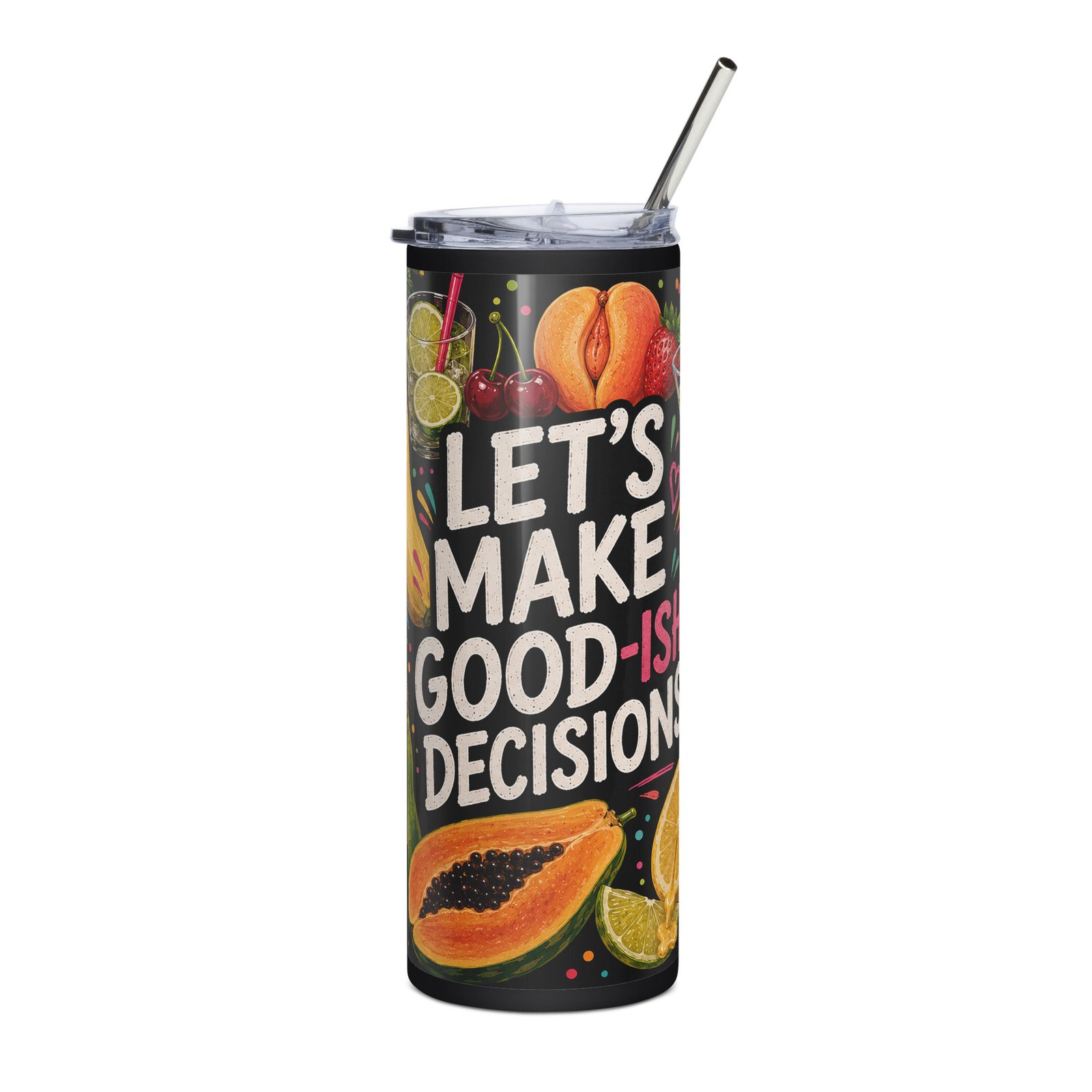
It is not a medical device. It is simply a colorful reminder to keep water nearby while your nervous system reviews Saturday’s decisions. That is about the level of responsibility we are prepared to endorse.
The Sunday reset checklist
Save this for the next morning when your brain is still buffering:
- Drink water steadily.
- Add electrolytes, coconut water, or broth if helpful.
- Eat gentle carbohydrates with some protein.
- Avoid using more alcohol as a recovery strategy.
- Rest and protect your sleep.
- Take a short walk only if you feel steady.
- Do not drive if you are still impaired.
- Choose three Monday priorities.
- Prep one meal and one outfit.
- Seek medical help for persistent vomiting, confusion, chest pain, trouble breathing, severe weakness, or symptoms that feel beyond an ordinary hangover.
The goal is not to pretend the weekend did not happen. The goal is to recover from it without turning Sunday into a courtroom drama starring you, your empty glass, and the prosecution’s surprisingly detailed evidence.
Drink water. Eat something useful. Get outside if you can. Let sleep do its job. Then meet Monday as a person who made a few questionable choices but still remembered where the keys are.
That counts as a reset.
[ ]
]