

Fall cocktails are delicious little accounting errors: a whiskey drink can quietly contain two standard drinks, while crisp weather, empty patios, and festive pours encourage faster sipping. This guide breaks down ABV, volume, food, water timing, functional beverages, recovery options, and the few hangover-prevention strategies that genuinely earn their keep.
Reading Time: 7 minutes
Turns out the pumpkin spice was never the problem. The jigger was.
The Fall Pour Problem Is Mostly a Math Problem
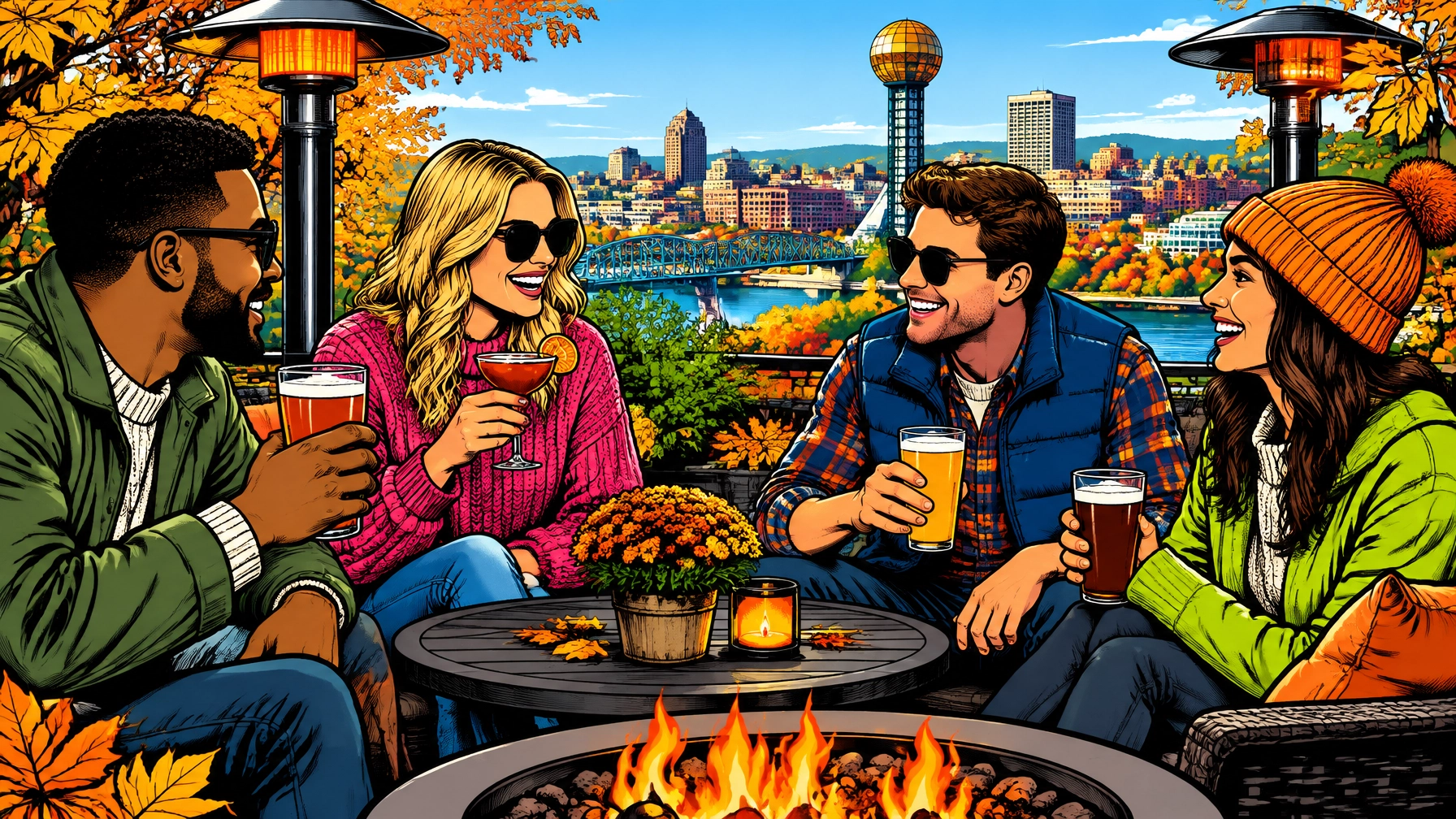
Summer drinks tend to advertise their volume. A lager arrives in a recognizable glass. A spritz looks like it could comfortably host a small aquatic ecosystem. A fall cocktail, meanwhile, shows up in a short tumbler wearing an orange peel and the confidence of a drink that knows you have plans tomorrow.
That compact glass can contain considerably more alcohol than its size suggests.
According to the National Institute on Alcohol Abuse and Alcoholism, one U.S. standard drink contains about 0.6 fluid ounces of pure alcohol. That works out to roughly:
- 12 ounces of beer at 5% ABV
- 5 ounces of wine at 12% ABV
- 1.5 ounces of distilled spirits at 40% ABV
The important phrase is standard drink, not “one beverage.” Those are not always the same thing, despite what every suspiciously cheerful cocktail menu implies.
A useful estimate is:
Standard drinks = total beverage ounces × ABV ÷ 0.6
Use the ABV as a decimal. For example:
- A 12-ounce beer at 5% ABV: 12 × 0.05 ÷ 0.6 = 1 standard drink
- A 3-ounce pour of 40% whiskey: 3 × 0.40 ÷ 0.6 = 2 standard drinks
- A cocktail containing 2 ounces of 40% bourbon and 1 ounce of 16% vermouth: roughly 1.6 standard drinks, before accounting for any other alcoholic ingredients
That last one is why “I only had two cocktails” can mean two drinks, three drinks, or four-plus drinks. The glass is not a certified accountant. It is a tiny theater set.

Why Fall Cocktails Can Feel Stronger Than Summer Drinks
Higher-ABV drinks do not automatically create a worse hangover when the total amount of alcohol is identical. The body cares a lot about the amount of ethanol consumed, not whether it arrived wearing a cinnamon stick.
But fall menus often stack several variables at once:
More spirit per serving. Old Fashioneds, Manhattans, Negronis, martinis, and bourbon-forward punches may contain 1.5 to 2.5 ounces of spirits, sometimes more.
Less dilution. A long, cold highball with soda water spreads the alcohol across a larger volume. A short stirred drink may deliver the same ingredients with far less water and a much faster drinking experience.
Sweeter, richer flavors. Maple, apple, baking spice, coffee, and caramel notes can make a strong drink go down with alarming ease. Your taste buds are having a seasonal celebration. Your liver did not receive an invitation.
More congeners in some darker spirits. The NIAAA’s hangover overview notes that congeners, compounds produced during fermentation, may contribute to hangover symptoms. Darker spirits such as bourbon can contain more congeners than clear spirits. Total alcohol still matters most, but the supporting cast can occasionally make the morning more theatrical.
The practical takeaway is not “never drink whiskey.” It is: treat a spirit-forward cocktail as a potentially larger dose than one ordinary beer.
Pacing: Count Alcohol, Not Glasses
Pacing is where the math becomes useful.
A cocktail containing two standard drinks should not be treated like a single standard drink simply because it arrived in one glass. Drinking that cocktail quickly creates a faster rise in blood alcohol concentration than slowly sipping it over a longer period.
There is no magical stopwatch that makes alcohol harmless, and individual metabolism varies. Still, a useful planning approach is to count standard drinks and leave meaningful time between them rather than ordering by glass count.
Try this:
- Ask how much spirit is in the cocktail if the menu does not say.
- Treat a 2-ounce, 40% spirit pour as roughly 1.3 standard drinks before mixers.
- Treat a 3-ounce, 40% pour as approximately 2 standard drinks.
- Avoid stacking a high-ABV beer, a spirit-forward cocktail, and a “just one quick nightcap” without counting the total.
- Build in nonalcoholic drinks and food breaks before you feel like you need them.
The goal is not to turn a patio hang into a quarterly earnings call. It is simply to stop letting the glass size do your accounting.
Food Timing Matters More Than Decorative Garnish
Eating does not cancel alcohol. It can, however, slow the rate at which alcohol moves from the stomach into the bloodstream.
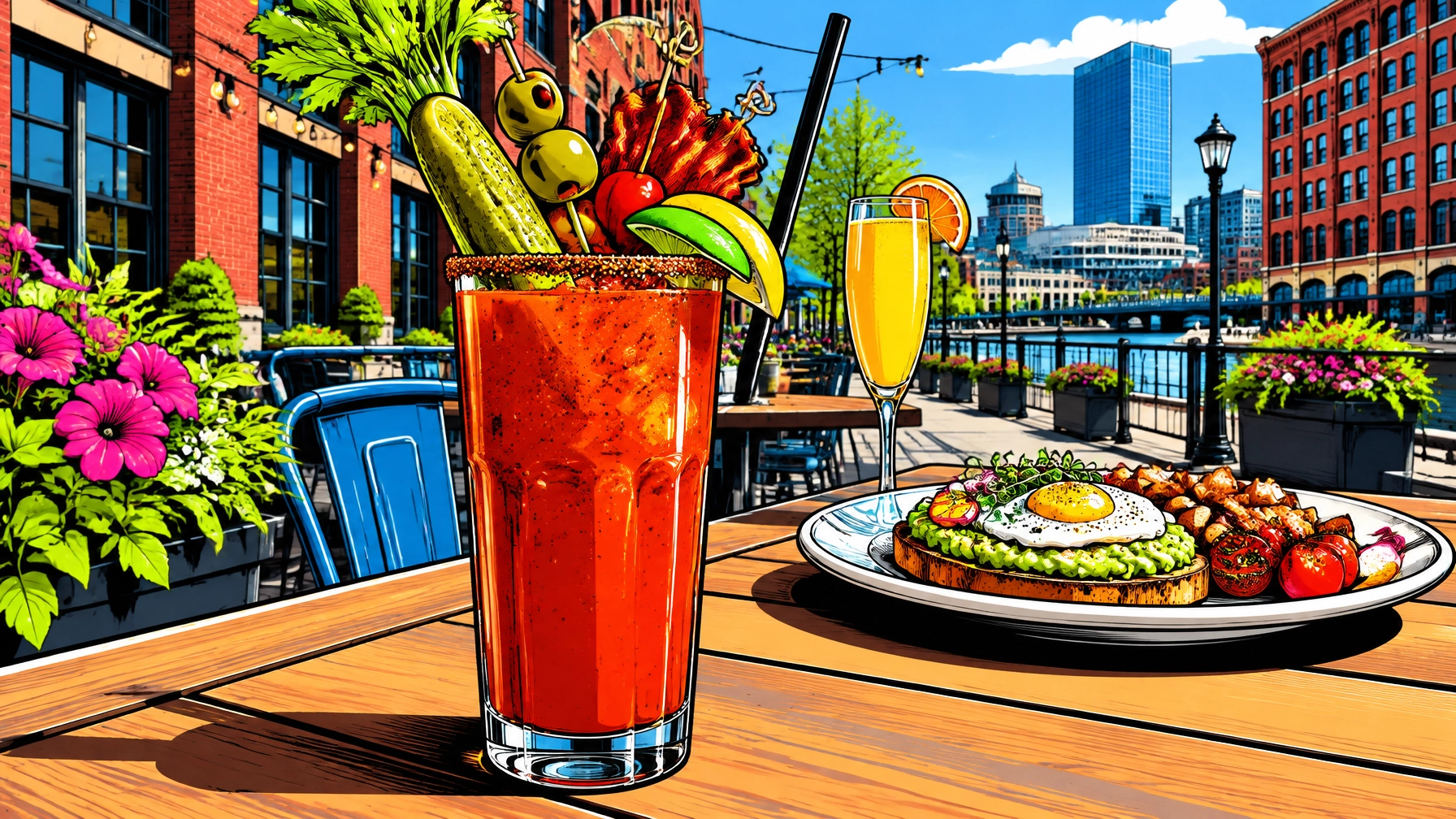
A meal with carbohydrates, protein, and fat before drinking is more useful than arriving hungry and attempting to stabilize yourself with three olives and a lime wheel. A real meal 60 to 90 minutes beforehand gives your outing a better foundation. Snacks during the afternoon can also help keep the pace from accelerating.
Good fall choices include:
- Eggs and toast
- A sandwich with protein and vegetables
- Tacos, rice bowls, or grain bowls
- Cheese, fruit, crackers, and something more substantial than optimism
- Soup or chili before a longer social outing
The best food strategy is the one you will actually eat. A complicated nutrition plan that remains untouched while you order another drink has the same practical value as a gym membership used exclusively for parking.
Water Helps With Pace, Not Magic
Water is useful, but it is not an alcohol eraser.
It does not speed up alcohol metabolism, reverse intoxication, or guarantee a hangover-free morning. It can support fluid intake and, just as importantly, create space between alcoholic drinks.
A simple pattern is:
- Drink water before the first alcoholic beverage.
- Have a nonalcoholic drink between alcoholic drinks when possible.
- Drink water with food.
- Continue drinking fluids afterward without forcing an absurd amount at once.
You can use the DayDrinking HQ “Hydrate Then Intoxicate” 20-ounce insulated tumbler as a practical reminder to keep water within reach. It is a stainless-steel, double-wall insulated tumbler designed for hot or cold liquids. It will not negotiate with your cocktail. That remains your responsibility.
The useful feature is the routine, not the vessel’s alleged ability to transform anyone into a hydration wizard.
Functional Beverages: Helpful Category, Not Medical Sorcery
Functional beverages can be a smart way to vary an outing. Depending on the product, that might mean electrolyte water, sparkling water with botanicals, a nonalcoholic beer, a low-ABV option, or a drink containing ingredients such as ginger or caffeine.
Read the label, though. “Functional” is a marketing category, not a medical certification. Some beverages contain substantial caffeine, stimulants, herbs, or added sugar. Combining those with alcohol can make it harder to judge how you feel, particularly when the patio has turned into a noisy carnival of beverages pretending to be wellness.
Electrolyte drinks may help some people consume fluids, but the NIAAA notes that research has not established a reliable relationship between electrolyte changes and hangover severity. In other words, electrolytes can be part of a sensible recovery routine, but they are not a permission slip for overdrinking.
The same caution applies to supplements, powders, and products marketed as recovery shortcuts. Peptides are sometimes promoted online as part of wellness or post-drinking routines, but peptide products are not proven hangover-prevention tools and should not be treated as a substitute for lower alcohol intake, sleep, food, or time. Speak with a qualified healthcare professional before using any peptide or supplement product, especially if you take medication or have a health condition.

What Actually Helps the Next Day
The internet has offered humanity many hangover solutions, including coffee, cold showers, greasy breakfasts, vitamin cocktails, and the deeply suspicious concept of “hair of the dog.” The NIAAA explains that there is no proven cure other than time.
A sensible recovery plan looks remarkably unglamorous:
- Drink water steadily.
- Add an electrolyte beverage if it helps you consume fluids, without expecting a miracle.
- Eat something gentle and filling, such as toast, eggs, fruit, soup, or rice.
- Rest and let your body recover.
- Avoid more alcohol as a supposed treatment.
- Do not drive or operate machinery if you feel impaired, even if you are certain you are “mostly fine.”
- Be cautious with pain relievers. Alcohol can interact poorly with some medications, and certain products may irritate the stomach or place extra strain on the liver. Check the label or ask a pharmacist.
A recovery beverage can be useful because it is a beverage. A recovery product that promises to erase the consequences of alcohol deserves the same scrutiny as a cocktail menu claiming its “bottomless” brunch is somehow relaxing.

Your Fall Day Drinking Wellness Formula
If you want to enjoy seasonal cocktails without turning tomorrow into a courtroom deposition, use this checklist:
- Count standard drinks, not glasses.
- Ask about the spirit pour when the menu is vague.
- Eat a real meal before drinking.
- Slow down when the drink is spirit-forward, sweet, or barely diluted.
- Alternate with water or another nonalcoholic beverage.
- Use functional beverages as options, not insurance policies.
- Skip miracle claims, including unproven peptide-based hangover promises.
- Leave enough time for sleep and recovery.
- Never drive impaired.
For more daytime planning, the DayDrinking HQ Happy Hour Guide can help you find food, patios, and social spots. The guide can locate the fun. It cannot perform the math for you.
That part is between you, the menu, and the jigger quietly judging everyone from behind the bar.
This article is for general educational purposes and is not medical advice. Alcohol affects people differently. If you choose to drink, do so responsibly and follow local laws and health guidance.