

Four pots of chili can turn a gathering into an endurance event, especially when every bowl arrives with an argument for one more. This guide matches spice, richness, and toppings with beer, batch cocktails, and no-proof options, then builds a cookoff system that lets the host eat, pour, and function.
Reading Time: 8 minutes
Punchline: Four pots walk into a patio. Only one leaves with the trophy, and the host leaves with the cleanest kitchen.
Category: Seasonal
Tags: day drinking food pairings, day drinking snacks, easy appetizers for parties, easy tailgate food, chili cookoff, batch cocktails
A chili cookoff sounds simple until you are standing beside four bubbling pots, six different topping requests, a cooler that has become a public utility, and one guest asking whether the cornbread is “artisan.”
The good news: You do not need a complicated bar program. You need a drink lineup that handles spice, richness, salt, smoke, and the slow-moving reality of tasting multiple bowls over several hours.
The goal is not to turn the afternoon into a beverage Olympics. The goal is to keep the food fun, the drinks cold, the host reasonably alert, and everyone capable of identifying which chili actually won.
The Pairing Logic: Chili Brings the Drama
Chili is a heavyweight food. It is rich, salty, spicy, savory, and often topped with cheese, sour cream, onions, jalapeños, crackers, or whatever else guests can fit into a bowl.
That means the best drinks usually do at least one of four jobs:
- Cool the heat: Cold drinks help reset the palate.
- Add gentle sweetness: A little sweetness can balance spice.
- Bring acidity: Citrus and tart flavors cut through richness.
- Provide bubbles: Carbonation keeps each bite from feeling like a full legal commitment.
For the same reason, extremely high-alcohol drinks and aggressively tannic red wines are usually poor choices. They can make spicy food feel hotter and leave your mouth drier than a keynote speech at a tax conference.
A cold lager is often the safest first pour. A semi-dry cider works nicely with pork, applewood smoke, or sweet barbecue notes. Citrus-forward drinks such as a Paloma or a lighter margarita bring acidity and refreshment. For non-drinkers, drivers, and people taking a strategic intermission, sparkling water, iced tea, limeade, horchata, or a yogurt-based drink gives the table more range.
For additional pairing background, The Spruce Eats offers a useful overview of drinks that pair with chili, while Serious Eats examines wine choices for spicy chili.
Four Pots, Four Drink Lanes
Do not try to create a custom cocktail for every spoonful. That is how a cookoff becomes a beverage conference with worse lighting.
Instead, create four broad pairing lanes.
Pot One: Classic Beef and Bean Chili
This is the dependable opener: tomato, ground beef, beans, onions, cumin, chili powder, and enough cheese to make the bowl look like it has a tiny blanket.
Pair it with:
- American lager
- Pilsner
- Lightly sweet iced tea
- Sparkling water with lime
The crisp beer keeps the first bowl refreshing without competing with the tomato and beef. Iced tea gives guests a slower, lower-alcohol option right away. This is also a good moment to put water into everyone’s field of vision before the competition gets theatrical.
Pot Two: Smoky or Pork-Based Chili
Smoked paprika, pulled pork, bacon, sausage, chipotle, or a barbecue-style finish calls for something with a little fruit and malt.
Pair it with:
- Semi-dry hard cider
- Amber ale
- Ginger beer with lime
- Apple-forward zero-proof spritz
The cider’s acidity and moderate sweetness make sense with smoky flavors. An amber ale mirrors the toasted, malty side of the dish. If the chili leans sweet, avoid pairing it with an aggressively sweet drink unless you enjoy eating dessert that has been dressed as lunch.
Pot Three: Texas-Style or Extra-Spicy Chili
This is where someone says, “It’s not that hot,” while blinking rapidly and searching for sour cream.
Pair it with:
- Mexican lager
- Pale ale
- Paloma
- Limeade or grapefruit soda
- Milk or horchata as a heat-relief option
A Paloma works because grapefruit, lime, tequila, and soda bring citrus, bitterness, bubbles, and refreshment. Keep it tall and moderate rather than turning it into a short glass of liquid confidence. Tasting Table has a helpful explanation of why Palomas work with spicy food.
Do not hide the dairy option. Milk, horchata, or a yogurt drink is not an admission of defeat. It is smart event management.
Pot Four: Vegetarian, White, or Experimental Chili
Vegetarian chili can be earthy and bean-heavy. White chicken chili may bring cream, green chile, corn, and mild acidity. An experimental pot could contain sweet potatoes, lentils, smoked mushrooms, or an ingredient the cook describes as “a journey.”
Pair it with:
- Crisp lager
- Dry or semi-dry cider
- Citrus highball
- Unsweetened iced tea
- Lemon sparkling water
Keep the final pairing clean and refreshing. After three rounds of beans, meat, smoke, and cheese, nobody needs a heavy drink with a dramatic finish. The final bowl should feel like the conclusion, not a bonus level.

How to Build It
Build the setup around one drink station, four chili stations, and a clear traffic pattern.
1. Keep the drink station away from the chili line
Place beer, cider, batch drinks, water, ice, cups, and napkins in one area. Put the chili pots somewhere else. Otherwise, everyone crowds the same six square feet while holding a ladle, a cup, and a personal theory about smoked paprika.
Label alcoholic and non-alcoholic drinks clearly. If one batch includes jalapeño or another spicy ingredient, say so. Surprise heat belongs in the chili, not in the beverage dispenser.
2. Use two batch drinks, not seven
For a four-hour gathering, two batch drinks are plenty:
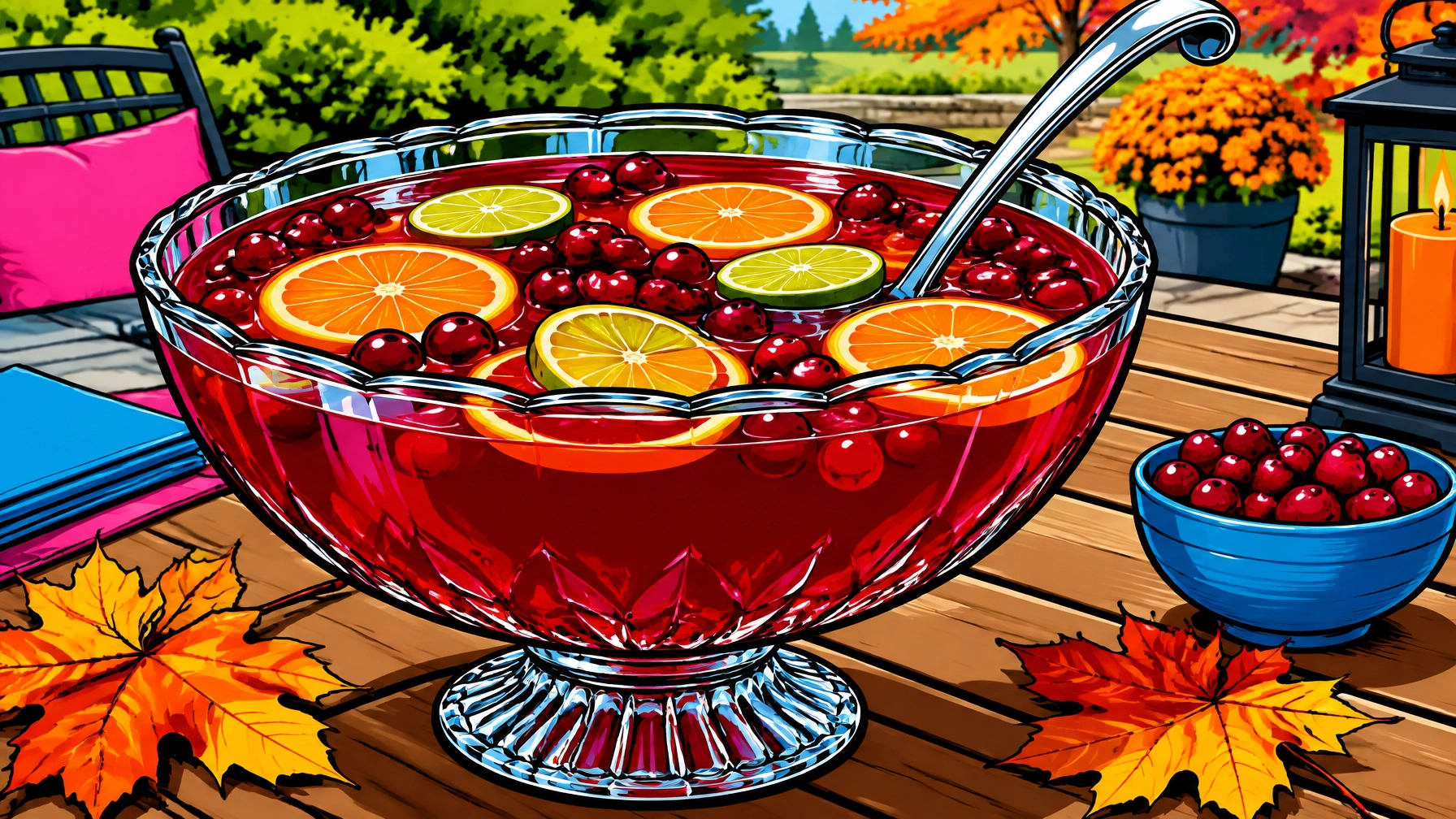
- Citrus Paloma base: Combine tequila, grapefruit juice, lime juice, and a modest amount of sweetener. Keep it cold and add grapefruit soda or sparkling water to each glass as served.
- Iced tea-limeade cooler: Combine lightly sweetened iced tea with limeade. Keep sparkling water nearby so guests can top their own glass.
Do not add carbonated ingredients hours in advance. Flat bubbles are the saddest form of party administration.
Beer and cider can cover the rest of the alcoholic lineup. You do not need a full cocktail menu when the food is already giving a four-hour presentation.
3. Serve tasting portions
Use small bowls or cups rather than full soup bowls. Guests should be able to sample all four pots without needing to be rolled toward the dessert table.
A good tasting portion also helps with pacing. Nobody needs a giant serving of chili followed immediately by a giant cocktail while standing beside a slow cooker. That is not a pairing strategy. That is a weather event.
4. Add easy appetizers for parties
Keep the supporting food simple and salty without making it another cooking competition.
Good options include:
- Cornbread squares
- Tortilla chips and a mild queso
- Celery, carrots, and cucumbers
- Pickled onions
- Cheese cubes
- Mini quesadillas
- Pretzels
- Guacamole
- Crackers and sliced fruit
These also work as easy tailgate food because they can sit out in manageable batches and do not require a fork, a table, or a family meeting.

The Four-Hour Pacing Plan
A long cookoff works best when you treat it like a leisurely meal rather than a race involving ladles.
Hour One: Arrive, hydrate, and start light
Open with water, sparkling water, iced tea, or a single light beer. Let guests settle in before introducing the spiciest pot. The host should eat something before pouring anything stronger. Chili is food, not a magical shield, but an empty stomach is certainly not helping.
Hour Two: Begin the tasting
Serve the first two pots in small portions. Alternate alcoholic drinks with water or a non-alcoholic option. Keep the batch cocktail available, but do not make it the default refill every time someone says, “This one is actually really good.”
Hour Three: Bring out the heat
This is the right time for the spicy pot and its citrus pairing. Keep dairy, limeade, sparkling water, and iced tea visible. Guests should not have to launch a search party to find relief from a chili labeled “medium.”
Hour Four: Judge, snack, and slow down
Finish the tasting, put out additional toppings, and let guests revisit favorites. The host should switch to water or a low-alcohol option while handling cleanup, ballots, food storage, and the inevitable argument over whether beans belong in chili.
Alcohol affects people differently, and a cup count is not a safety system. Drink slowly, eat throughout the gathering, take breaks, and arrange a sober ride for anyone who needs one. Nobody wins a cookoff by becoming the person who tries to debate cumin with a lawn chair.
Secret Sauce
The secret sauce is not a hidden ingredient. It is separation.
Separate the tasting from the judging. Separate the drink station from the food line. Separate batch cocktail ingredients from carbonation. Separate “I want another sample” from “I need another full bowl.”
Set out four simple score categories:
- Flavor
- Texture
- Heat balance
- Overall appeal
Give each guest a small scorecard and a pencil. If you want the voting to stay honest, number the pots rather than announcing who cooked each one. This avoids the classic problem where everyone votes for the chili made by the person who invited them.
Also keep a backup snack that is not chili. A bowl of pretzels, a tray of fruit, or a plate of sandwiches gives guests a reset button. Day drinking snacks should support the gathering, not make every bite another round of tomato, beans, and bravado.
For hosting inspiration and local daytime social ideas, browse the DayDrinkingHQ daytime events calendar. If you are supplying reusable drinkware for the gathering, the DayDrinkingHQ store has insulated tumblers that can keep a drink cold while the host circles back to the pots.

The Final Setup
A successful chili cookoff needs less mixology than organization:
- Four chili styles with clearly marked spice levels
- One lager or pilsner
- One cider or amber beer
- One citrus batch cocktail
- One iced tea or limeade batch
- Sparkling water and plain water
- A dairy-based heat-relief option
- Small tasting bowls
- Separate ladles
- Easy appetizers for parties
- A plan for leftovers and sober transportation
That lineup gives every pot a compatible drink without forcing the host to bartend like the food is being filmed for television.
The winning strategy is simple: build drinks that refresh, serve food in tasting portions, keep the water cold, and let the chili provide the drama. The cookoff should end with a trophy, a few strong opinions, and enough leftovers to make tomorrow’s lunch look suspiciously well planned.