

A smarter day-drinking plan starts before the first pour. Drink water normally, eat actual food, pace yourself, alternate drinks with water, and use electrolytes for fluid replacement, not miracle marketing. Natural foods help, peptides may appear in some recovery routines, and nothing here is medical advice or a hangover guarantee.
Reading Time: 7 minutes: shorter than the wait for a patio table.
There are two kinds of people at a sunny patio: the person who brought sunglasses, water, and a plan, and the person who says, “I’m fine,” while attempting to read a menu that has mysteriously become written in ancient Greek.
We are not here to judge. We have all been the second person.
A smarter approach to day drinking wellness starts before you leave the house. Hydration is not a magical force field that allows unlimited cocktails, heat exposure, and questionable decisions to bounce harmlessly off your body. It is simply one useful part of a larger strategy that includes food, pacing, shade, sleep, and knowing when the afternoon has had enough plot twists.
Here is the practical pre-game hydration strategy for people who want to enjoy the patio and still recognize their own kitchen later.
Start with water before you head out
The best pre-game hydration move is also the least exciting: drink water throughout the day so you arrive normally hydrated.
That does not mean slamming a gallon in the parking lot like you are preparing for a desert expedition. Forced hydration can leave you uncomfortable, running to the bathroom every nine minutes, or discovering that your body is not interested in participating in your personal science experiment.
Instead, have water with breakfast and lunch, sip consistently, and drink a glass before leaving for your patio, brunch, lake day, or backyard gathering. You are aiming to satisfy thirst: not win a trophy for Most Aggressive Beverage Consumption.
A useful rule: if you are already thirsty, headachy, or feeling unusually dry before the first drink, address that first. Alcohol can increase fluid loss, and hot weather, walking, dancing, and outdoor activities can add another layer of strain.

The goal is not to “flush” alcohol out of your system. Water does not speed alcohol metabolism, erase a cocktail, or convince your liver to work overtime because you remembered to be responsible for twelve minutes.
It can, however, help you begin the day on steadier footing and make it easier to pace yourself once you are out.
Eat a real meal, not three olives and a personality
Drinking on an empty stomach is one of the fastest ways to turn a relaxed afternoon into a documentary about poor planning.
Eat a substantial meal before you start drinking. Think protein, carbohydrates, some fat, and food you would recognize outside of a garnish tray: eggs and toast, a chicken sandwich, tacos, rice bowls, a burger with a side, or a proper brunch plate.
Food does not make alcohol harmless. It can slow the rate at which alcohol moves into your bloodstream, which may help reduce the sharp rise that comes from drinking quickly without eating. It also gives your body actual fuel for a long social outing instead of asking it to run exclusively on tequila, optimism, and the last bite of someone else’s fries.
If your plans stretch across several hours, keep eating. Share snacks, order lunch, or build in a meal between stops. Salty foods may taste excellent with a cold drink, but do not treat a basket of fries as a complete hydration system. They are working hard, but they are not licensed professionals.

Alternate drinks with water: and make it automatic
The most useful hydration tips are the ones you do not have to remember while distracted by a live band, a dog wearing sunglasses, or a friend explaining why their fantasy team is “strategically rebuilding.”
Make water part of the order from the beginning.
A simple rhythm is:
- Order water with your first alcoholic drink.
- Sip the alcoholic drink slowly.
- Finish or substantially work through the water before ordering another.
- Continue eating and reassessing how you feel.
- Switch to a nonalcoholic option whenever you want.
This works for two reasons. First, water contributes fluid. Second, it creates space between alcoholic drinks, which is the more important part of the equation. The biggest drivers of hangover risk are generally how much alcohol you consume and how quickly you consume it: not whether you found the fanciest electrolyte powder on the internet.
Clinical guidance commonly recommends alternating alcoholic drinks with plain water and pacing at no more than roughly one standard drink per hour. That is a ceiling, not a challenge, and it is not a universal safety guarantee. Cocktails can contain more than one standard drink, and body size, medications, health conditions, food intake, and individual tolerance all matter.
In other words, “I only had two drinks” does not tell the whole story if each drink was a 28-ounce novelty fishbowl with a tiny umbrella and the alcohol content of a small engine.
Use electrolytes for the right reason
Electrolytes have become the supporting actors of modern wellness marketing. They are now appearing in powders, canned drinks, tablets, waters, gummies, and beverages with names that sound like they were invented during a corporate retreat in Scottsdale.
Electrolytes: including sodium and potassium: help regulate fluid balance and other body functions. An electrolyte drink can be reasonable when you have been sweating heavily, spending hours in the heat, exercising, or losing fluids through vomiting or diarrhea.
Timing matters more than theatrics.
Before going out
If you have eaten normally and are not dehydrated, you probably do not need an electrolyte drink simply because brunch is on the calendar. Water with a meal is enough for many ordinary outings.
If you know you will be outside in high heat or doing a physically demanding activity, a modest electrolyte beverage with food may be useful. Follow the product directions, and do not stack multiple highly concentrated products because the label used the word “performance.”
During the afternoon
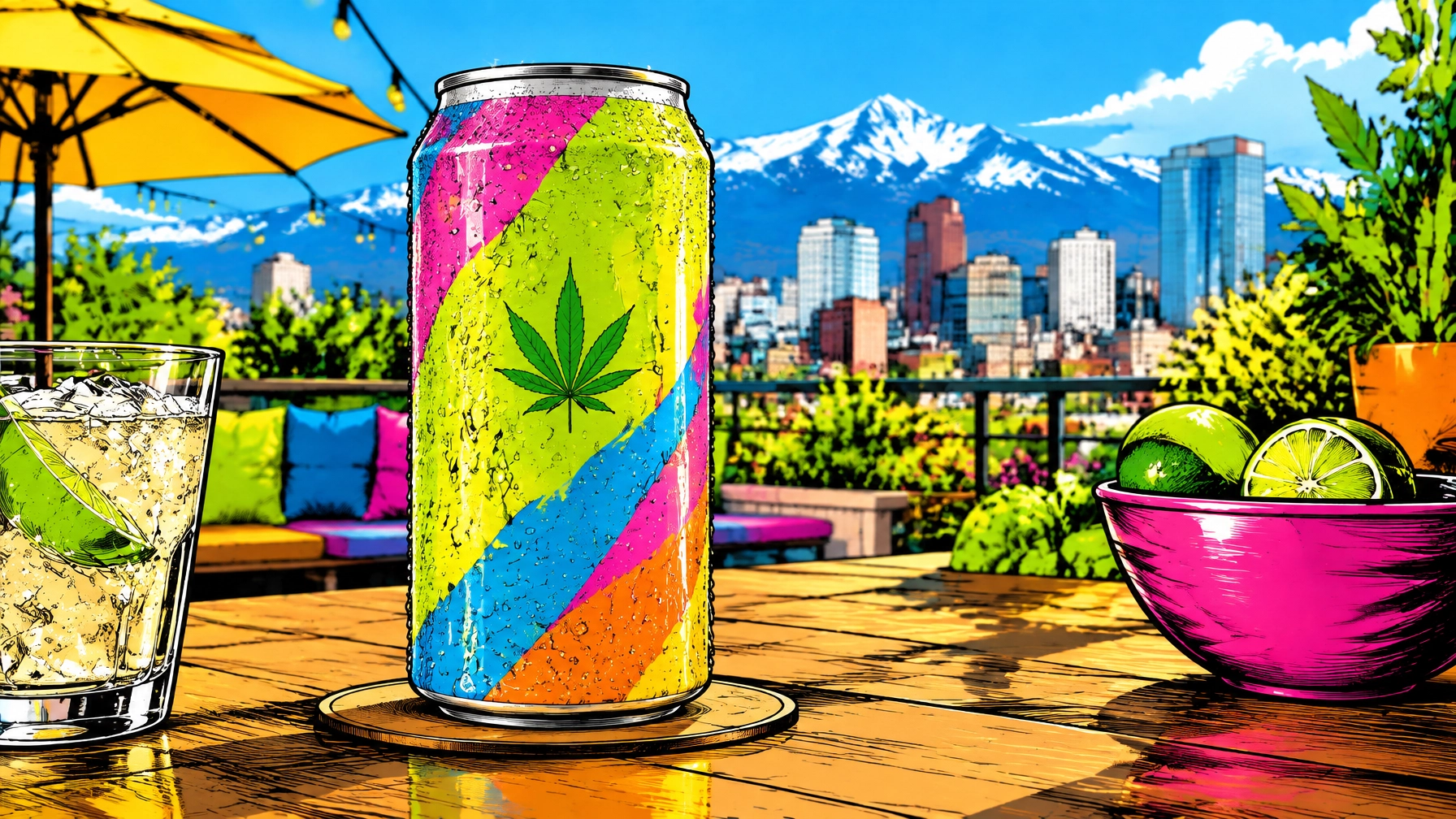
Use water as your default. Add an electrolyte drink if you are sweating significantly or spending extended time outdoors. Keep sipping rather than chugging. A bright-colored drink is not automatically more effective, and a drink with a mountain range on the label cannot personally monitor your sodium intake.
After drinking
A modest electrolyte drink can help replace fluids and sodium, particularly if heat or sweating was involved. But the evidence does not support calling it a guaranteed electrolyte drink hangover cure. Electrolytes may relieve thirst or symptoms related to fluid loss; they do not detox alcohol, repair disrupted sleep, or reverse every unpleasant consequence of drinking.
Research has found that dehydration and hangovers overlap but are not identical. Water and electrolytes address only part of the problem. For a deeper look at the evidence, see the Cleveland Clinic’s hangover guidance and this 2024 PubMed study on alcohol hangovers and dehydration.

Get hydration from natural sources, too
You do not need to turn your afternoon into a supplement convention. Water-rich foods can contribute fluid while giving you carbohydrates, potassium, sodium, and calories your body can actually use.
Good natural options include:
- Watermelon: high water content and easy to share.
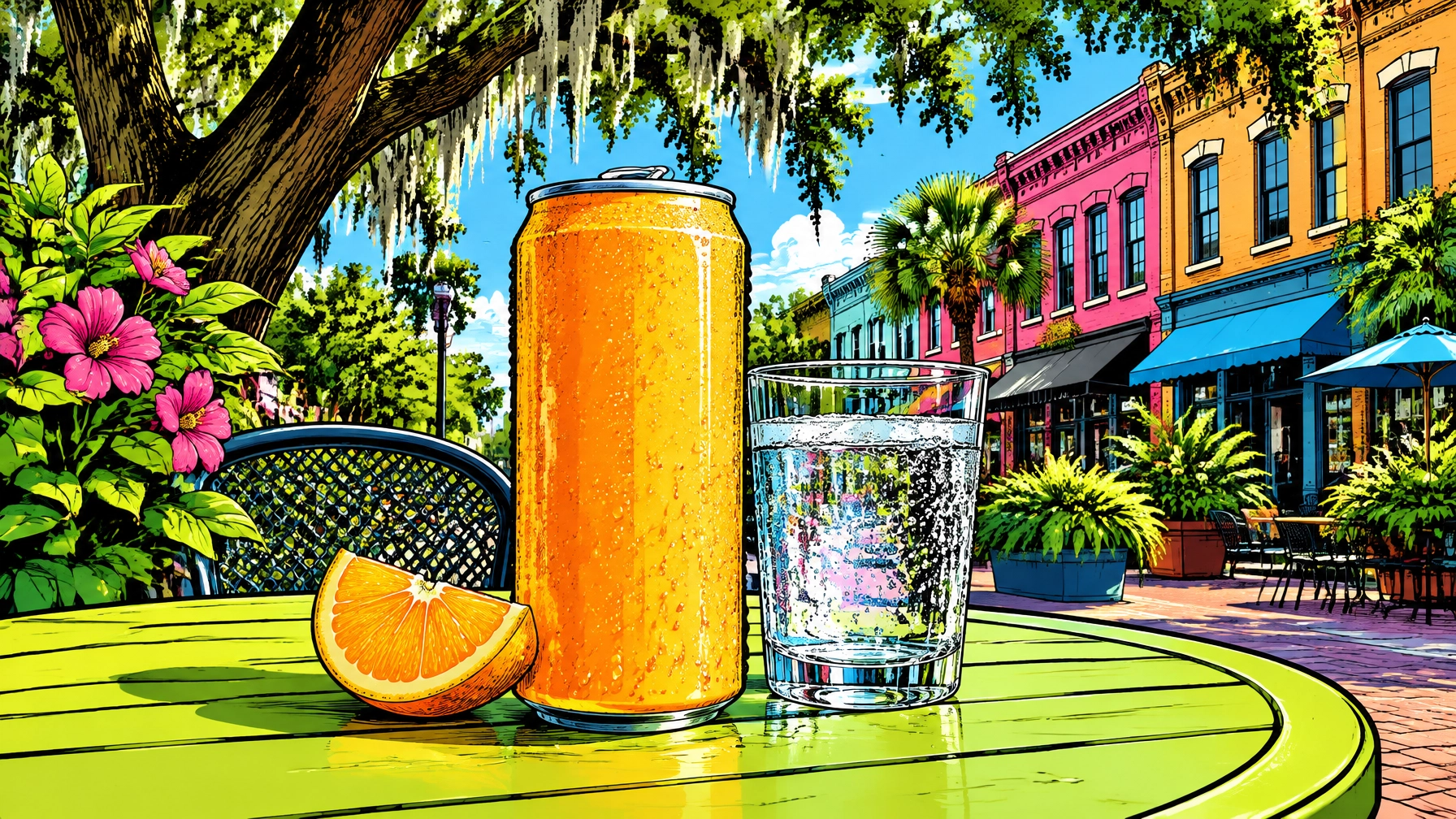
- Oranges and citrus: refreshing, portable, and less depressing than eating another handful of bar peanuts.
- Cucumbers: crisp, water-rich, and excellent in salads or sandwiches.
- Yogurt: contributes fluid and nutrition, especially alongside fruit.
- Soups or brothy dishes: useful when you want sodium and fluid together.
- Avocado, potatoes, beans, and bananas: provide potassium and actual food value.
- Coconut water: contains electrolytes, though it is not a magical hangover eraser and can be relatively high in sugar depending on the brand.
Natural sources are additions, not replacements for drinking water. A bowl of watermelon cannot carry the entire hydration department while you order your fourth frozen cocktail. It has done enough.
What about functional beverages and peptides?
Functional beverages can be useful when they solve a specific problem. A low-sugar electrolyte drink may be convenient. Sparkling water may help you slow down. A nonalcoholic beer or botanical beverage can give your hand something to hold while you decide whether the afternoon needs another round.
The important question is not whether a beverage has a futuristic label. Ask what it contains, how much sugar or caffeine it carries, and whether the claims are supported by anything more substantial than a model standing beside a lemon.
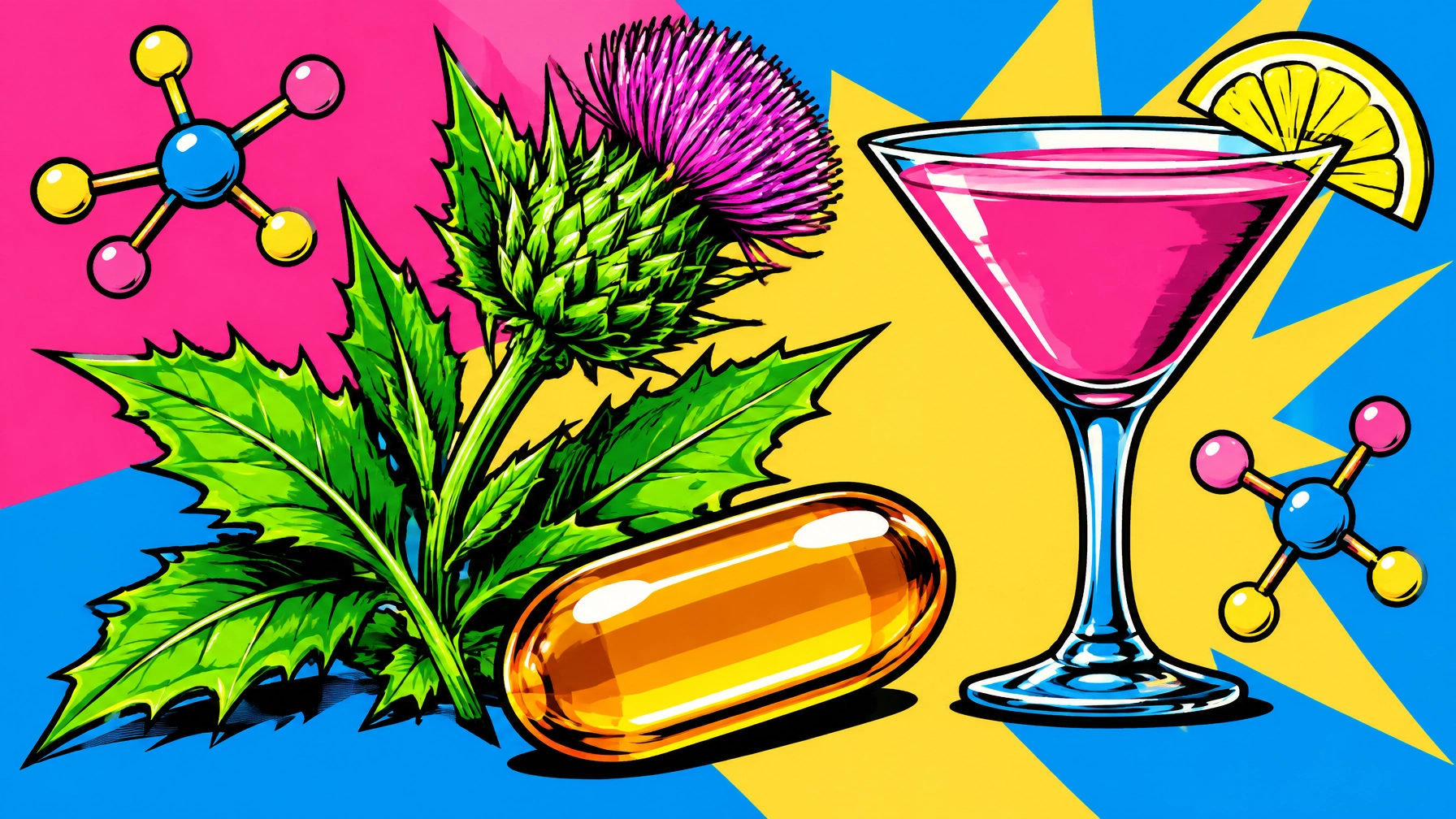
Some people also add peptides, such as products from Ezpeptides, to a broader recovery routine. That is a personal choice, and it should be approached carefully. Peptides are not a proven hangover shield, supplement quality varies, and they may not be appropriate for everyone. Talk with a qualified healthcare professional before using them, especially if you take medication or have a medical condition. This is not medical advice: and because JT has an affiliate relationship with Ezpeptides, any purchase may support DayDrinking HQ.
The sensible order of operations remains boring but effective: eat, drink water, pace alcohol, sleep, and do not expect a powder to outsmart biology.
Pack the hydration basics
A little preparation makes outdoor socializing easier. Bring or buy:
- A refillable water bottle or insulated tumbler.
- Water before the first alcoholic drink.
- A real meal or substantial snacks.
- Sunscreen, sunglasses, and a hat.
- A safe transportation plan.
- A nonalcoholic option for later.
- A willingness to leave when the afternoon stops being fun.
If you like a bit of DayDrinking HQ flair, the “Let’s Make Good-ish Decisions” 20-ounce insulated tumbler includes a lid and straw and is built for pool days, boats, patios, and other locations where your water should not be mistaken for an abandoned mystery cup. It is hand-wash only, because apparently even hydration accessories have boundaries.
The strategy in one patio-ready checklist
Before you leave:
- Drink water normally.
- Eat a real meal.
- Decide how much you plan to drink.
- Make transportation arrangements.
While you are out:
- Start with water.
- Alternate alcoholic drinks with water.
- Pace slowly and remember that cocktails vary in strength.
- Eat snacks or a meal.
- Use electrolytes if heat, sweating, or fluid loss makes them relevant.
- Take breaks in shade or air conditioning.
When the outing ends:
- Drink water according to thirst.
- Have a modest electrolyte beverage if it makes sense for your situation.
- Skip the “hair of the dog” nonsense.
- Prioritize sleep.
- Do not drive.
The most reliable hangover prevention strategy is still drinking less: or not drinking at all. No hydration plan changes that. But if you are heading out for a daytime social experience, starting hydrated, eating well, pacing with water, and using functional beverages realistically can make the whole thing more comfortable.
You do not need to become a wellness influencer. You only need to avoid treating your body like a rental car with unlimited mileage.
Find your next patio, brunch spot, or daytime hangout through DayDrinking HQ, bring water, and make at least a few good-ish decisions.