

A full football day can be a marathon of patios, cheers, and questionable snack decisions. This guide covers hydration tips, realistic pacing, food, electrolytes, functional beverages, recovery, and refreshingly unglamorous truth: no drink can erase heavy drinking. Keep the scoreboard fun and Monday functional with practical strategies that respect limits.
Reading Time: 8 minutes: shorter than the wait for a patio table.
Football season has a sneaky way of turning one casual beverage into an all-day documentary about your decision-making. There’s the pregame patio. The first kickoff. The halftime wings. The “I’ll just have one while we watch the late game” finale.
Then suddenly, it’s Monday morning, your water bottle is empty, and your brain is reviewing every text you sent like it’s game film.
The good news: you don’t need a military-grade wellness bunker to make it through a full football day. You need a few boring-but-effective habits, a little pacing, actual food, and the humility to admit that a cocktail is not hydration wearing sunglasses.
This is general wellness information, not medical advice. The only guaranteed way to avoid a hangover is not drinking alcohol. Hydration and pacing may reduce risk or severity, but they do not cancel out heavy drinking.
First, Know What You’re Actually Drinking
A “drink” is not always one drink. That oversized stadium beer, generous patio pour, and suspiciously strong frozen cocktail may be three different mathematical problems wearing the same festive hat.
According to the National Institute on Alcohol Abuse and Alcoholism, one standard drink contains about 14 grams of pure alcohol. That is roughly:
- 12 ounces of regular beer at about 5% alcohol
- 5 ounces of table wine at about 12% alcohol
- 1.5 ounces of distilled spirits at about 40% alcohol
A strong beer, double pour, or cocktail with multiple ounces of liquor can count as more than one standard drink. Knowing that matters because pacing works better when you’re counting alcohol: not just glasses, cans, or the number of times someone says, “This is the last one.”
Your Pregame Hydration Tips Should Start With Food
Showing up thirsty and hungry is how a football watch party becomes an unplanned chemistry experiment.
Before the first drink, eat something substantial with carbohydrates and protein. Eggs and toast. A rice bowl. A sandwich. Greek yogurt with fruit and granola. The goal is not to win a nutrition award; it’s to avoid making alcohol your first source of calories for the day.
Drink water before you head out, too. You don’t need to chug an entire aquarium. A normal glass or bottle of water before the event gives you a reasonable starting point, especially if you’ll be outside, walking between venues, or sweating through a jersey that was never designed for weather.
If you know the day will be hot or active, an electrolyte beverage can be useful. Look for something with sodium and potassium, rather than treating a neon-colored sugar bomb as a medical breakthrough. Electrolytes support fluid balance, but they do not make alcohol disappear from your bloodstream.

The Second-Half Strategy: Alternate, Slow Down, Repeat
The most useful pacing plan is also the least glamorous: alternate alcohol with water or another nonalcoholic drink.
Try this rhythm:
- Water before the first alcoholic drink.
- Alcoholic drink.
- Water or an electrolyte drink.
- Food.
- Repeat only if you still feel clear and comfortable.
The NIAAA recommends pacing yourself and using nonalcoholic “drink spacers”, while Cleveland Clinic notes that having no more than one drink per hour may lower hangover risk. Treat that as a pacing benchmark, not a challenge from your college roommate.
Also, sip. Carbonation, straws, large cups, and distracted conversation can make a drink vanish faster than a fourth-quarter lead. If you’re drinking something fizzy, take your time. If the glass is huge, remember that the glass is not a serving-size authority. It is simply a glass with excellent public relations.
A useful self-check is to pause before ordering another drink and ask:
- Am I thirsty, or do I actually want alcohol?
- Have I eaten anything recently?
- Do I feel steady and clear?
- Would water taste good right now?
- Do I have a safe way home?
If the answers are getting fuzzy, your body has submitted a strongly worded memo. Read it.
Halftime Is for Food, Not Just Loud Opinions
Halftime is the perfect reset point. Stretch your legs, refill your water, and eat something that did not arrive exclusively in a basket.
Good football-day food does not need to be complicated:
- Wings with a side of something substantial
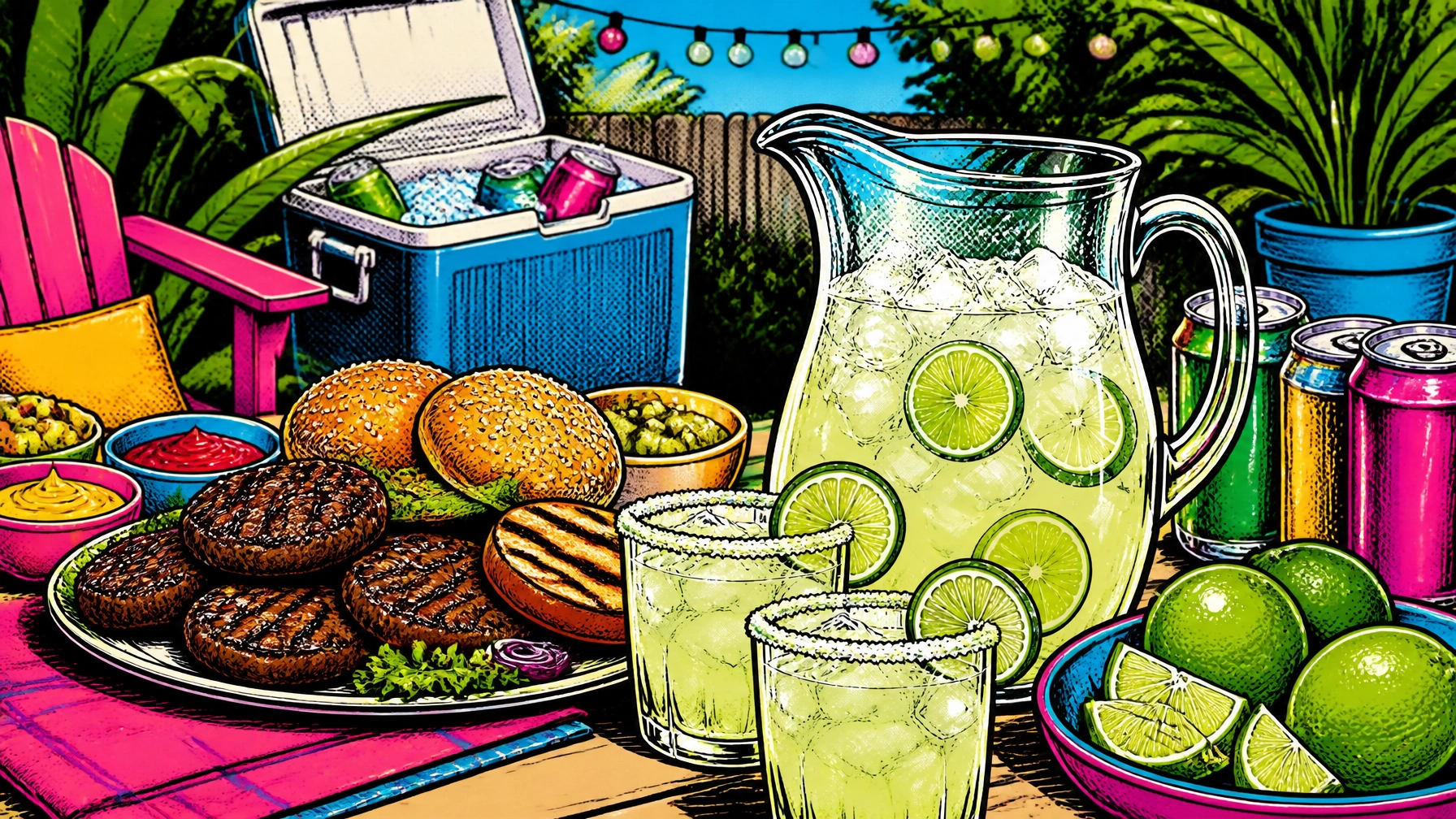
- A burger or sandwich with vegetables
- Chili, tacos, or a rice bowl
- Pretzels plus cheese, hummus, or another protein
- Fruit alongside the snacks already disappearing at an alarming rate
Food can slow alcohol absorption and help prevent the shaky, foggy feeling that comes from drinking on an empty stomach. It cannot make you sober, but it can stop your stomach from filing a formal complaint.
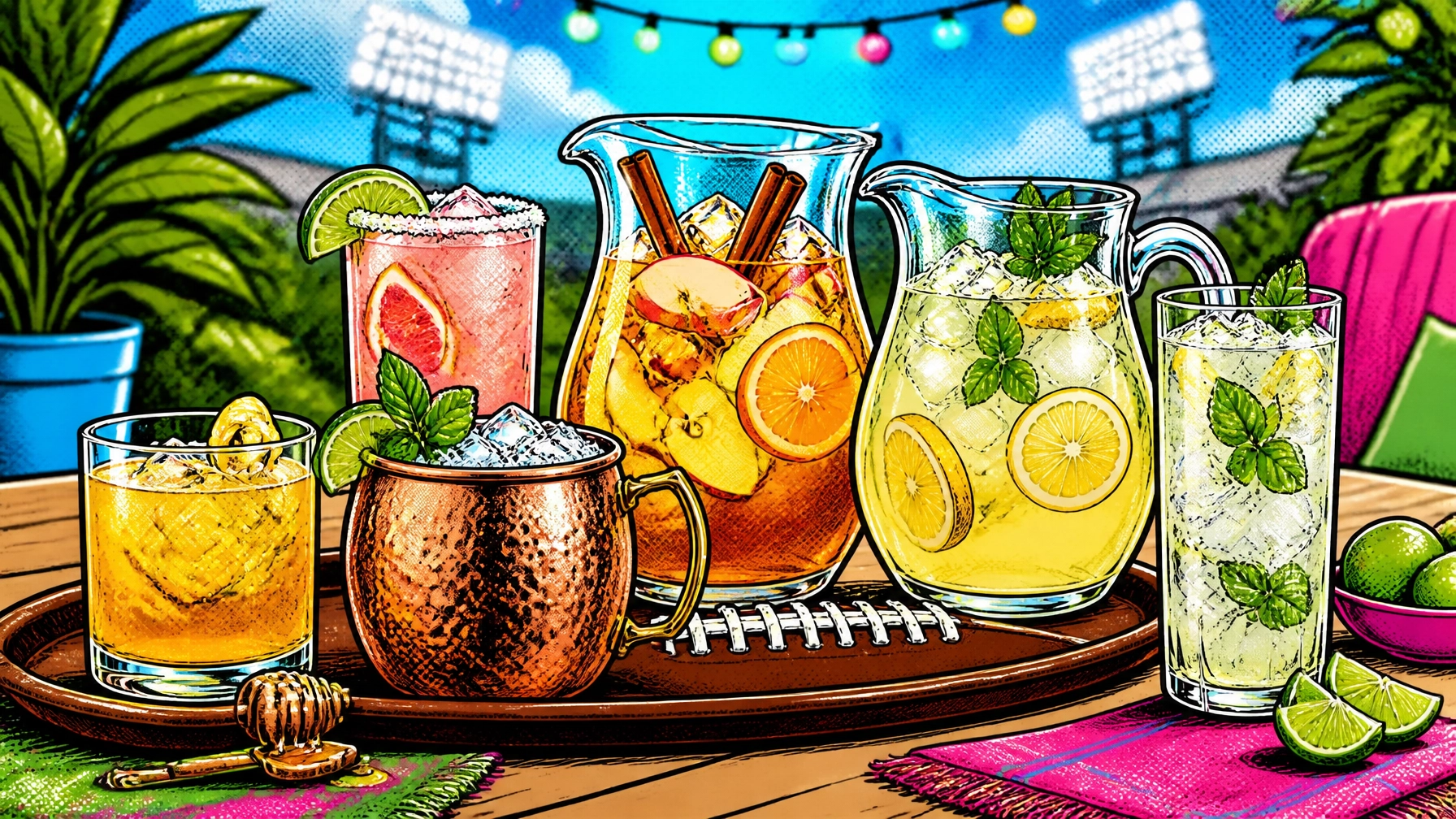
This is also a good time to switch to a zero-proof drink for a quarter, half, or full game. Soda water with citrus, iced tea, ginger beer, lemonade, or a nonalcoholic beer can keep you in the social rhythm without requiring every hand gesture to involve a beverage containing alcohol.
That is the secret of functional beverages: they should be functional. They can add flavor, fluid, caffeine, electrolytes, or convenience. They are not magic erasers for a day that got away from you.
What an Electrolyte Drink Can: and Cannot: Do for a Hangover
An electrolyte drink may help replace fluids and some minerals, particularly if you’ve been sweating, vomiting, or simply making frequent trips to the restroom. It may also be easier to drink than plain water when you feel rough.
But an electrolyte drink for a hangover is supportive care, not a cure. The Cleveland Clinic explains that time is the only true hangover cure, with fluids, food, and sleep helping you feel better while your body recovers.
When choosing among sports drinks, electrolyte powders, oral rehydration solutions, and other functional beverages, check the label:
- Look for a reasonable amount of sodium.
- Be aware of added sugar, especially if sweet drinks upset your stomach.
- Avoid assuming that more ingredients equal more effectiveness.
- Follow the serving instructions instead of improvising a kitchen-lab protocol at 9:14 p.m.
- Remember that caffeine can affect people differently, especially when sleep is already taking a hit.
You do not need three powders, a recovery shot, a mushroom elixir, and a beverage with a name that sounds like it was invented by a spaceship. Water, food, pacing, and sleep remain stubbornly difficult to improve upon.

Peptides Are Not a Hangover Cheat Code
Peptides may come up in wellness conversations, usually right after someone says they have “a protocol” and before anyone has explained what it means.
Here is the refreshingly unsexy version: peptides are not an established hangover-prevention strategy. There is limited high-quality human evidence showing that peptide products prevent or treat hangovers, and hydration should not be used as a side door into experimenting with substances.
DayDrinking HQ has an affiliate relationship with Ezpeptides, so we’re disclosing that plainly. Ezpeptides’ own materials describe its products as for research use only and not for human consumption, diagnostic use, therapeutic use, or wellness use. That means they should not be treated like electrolyte powder, a supplement, or a recovery beverage. This is not medical advice, and we are not recommending peptide use.
For transparency, you can also review our affiliate disclosure. The short version: affiliate relationships may earn us compensation, but they do not turn a research product into a football-day recovery plan.
The Final Whistle: Set Up Tomorrow Before You Need It
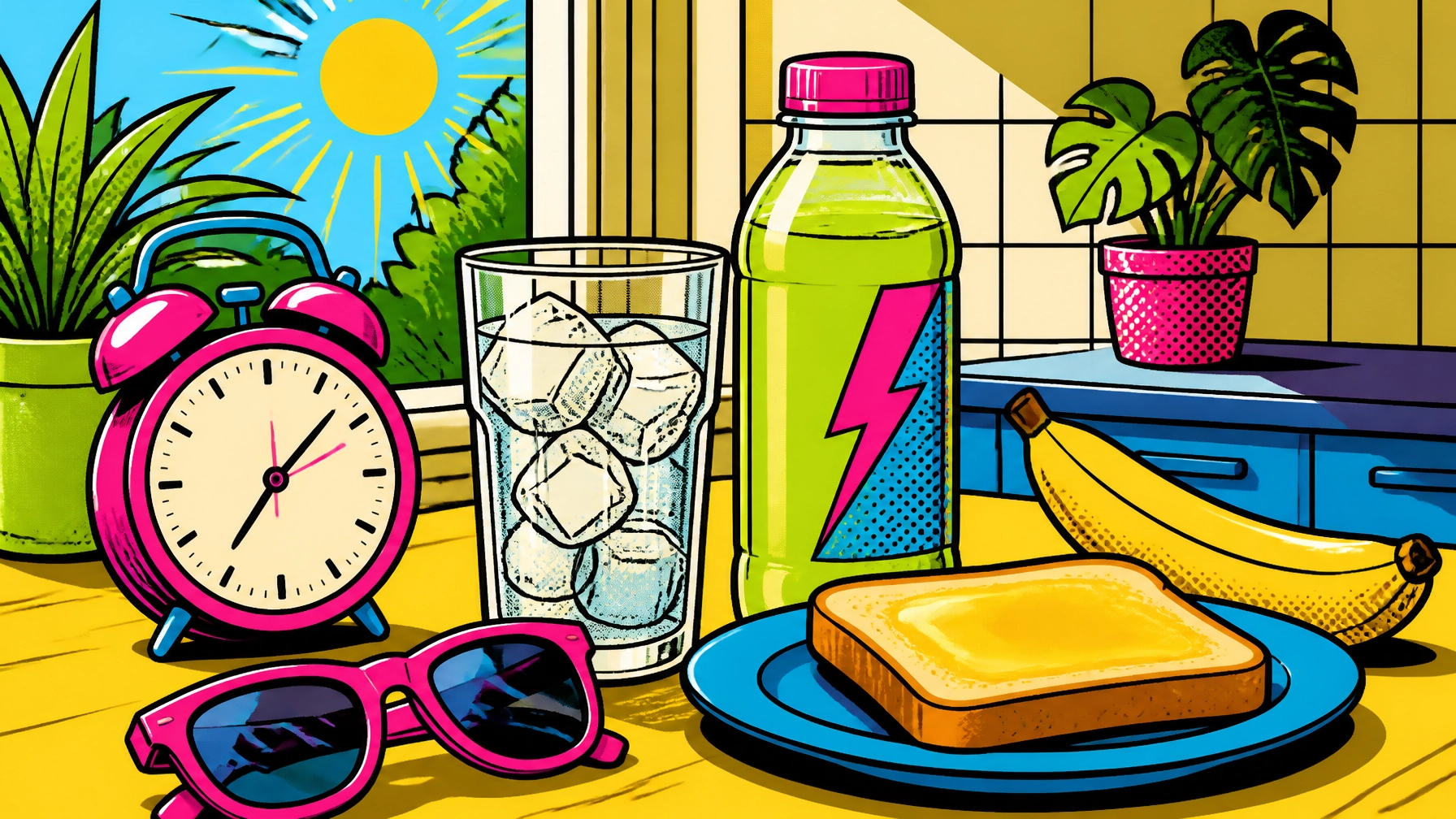
Before bed, put water somewhere you can reach it without conducting an archaeological dig through your room. If you tolerate electrolyte beverages well, you can have one according to its label directions. Do not force enormous amounts of water all at once; more is not automatically better.
Eat something light if you can manage it. Toast, oatmeal, bananas, soup, eggs, or crackers are reasonable options. Get sleep. Skip the “hair of the dog” theory; more alcohol does not cure a hangover, it simply delays the accounting department.
Avoid acetaminophen after heavy drinking because of potential liver risk. If you have questions about medications, supplements, or interactions, ask a qualified healthcare professional rather than a person whose medical credentials are “I once watched a documentary.”
In the morning, sip fluids instead of panic-chugging. Start with water, add an electrolyte drink if useful, and eat when your stomach is ready. If you are vomiting repeatedly, confused, difficult to wake, having trouble breathing, experiencing a seizure, or showing other severe symptoms, seek urgent medical help.

A Practical Football-Day Checklist
Before the first kickoff
- Eat a real meal with carbohydrates and protein.
- Drink water.
- Decide your transportation plan.
- Set a personal limit before the first drink, not after your confidence starts doing color commentary.
During the game
- Pace alcoholic drinks slowly.
- Alternate alcohol with water or another nonalcoholic beverage.
- Take a full nonalcoholic quarter or halftime.
- Eat throughout the day.
- Count standard drinks, not just cups.
Before bed
- Sip water or a properly prepared electrolyte beverage.
- Have a small snack if you can tolerate one.
- Avoid using more alcohol as a recovery strategy.
- Set up water, breakfast ingredients, and your Monday self for fewer unpleasant surprises.
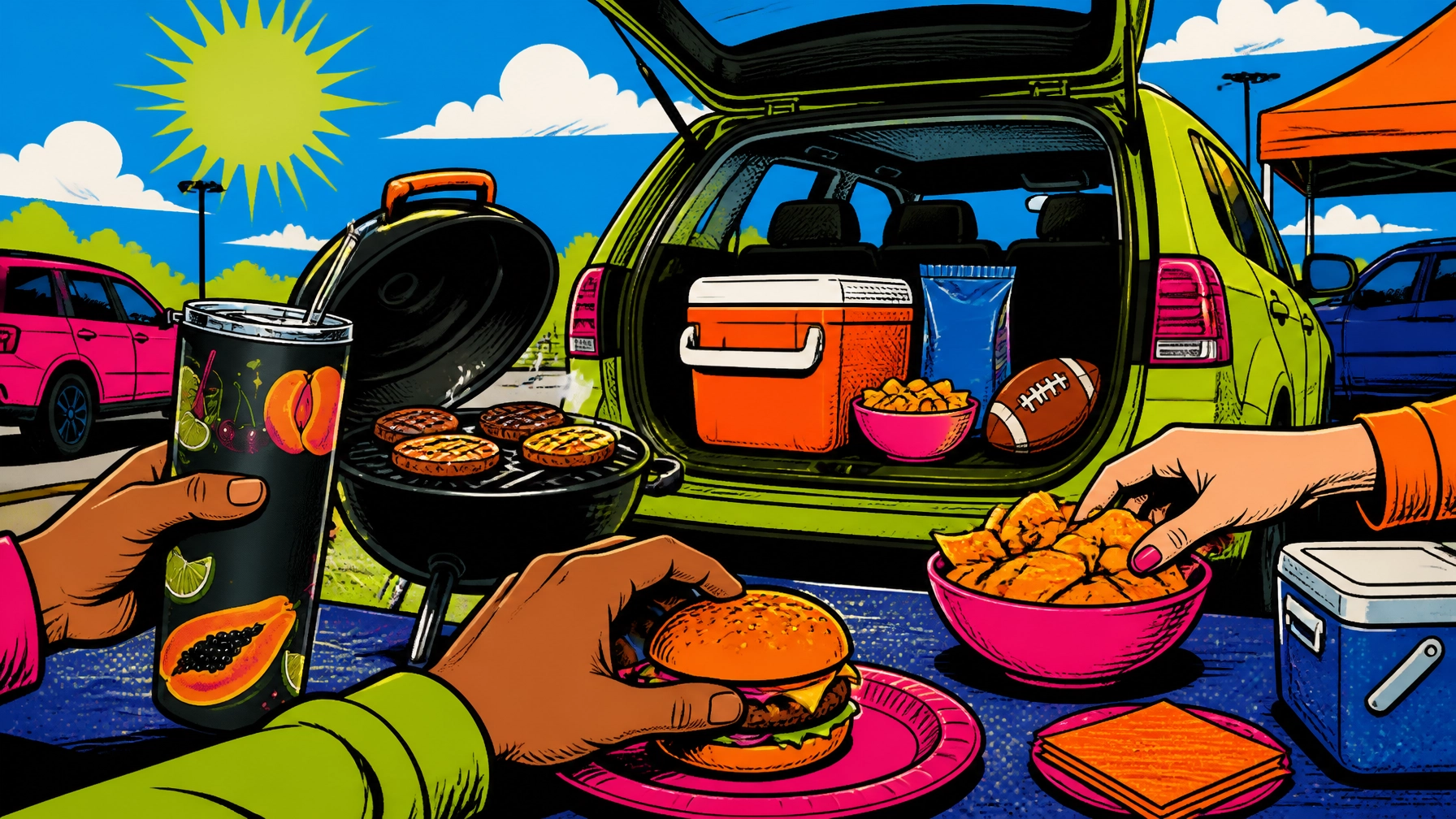
For a practical vessel that can handle the water portion of the assignment, the DayDrinking HQ “Let’s Make Good-ish Decisions” 20oz insulated stainless steel tumbler includes a lid and straw and is built for patios, pools, boats, and tailgates. It is hand-wash only, because apparently even hydration gear needs boundaries.
The goal is not to become the person lecturing the patio about mineral ratios while wearing a foam finger. The goal is to enjoy the whole day, stay aware of how you feel, and give Monday a fighting chance.
Hydration is not a personality: but if yours is “keeps water nearby and knows when to slow down,” that is a pretty solid character arc.